
Slewing bearings are crucial components in heavy machinery that enable smooth rotation while supporting substantial loads. These bearings are primarily used in large machines such as cranes, excavators, and wind turbines, where rotation and load-bearing capacities are essential.
What Are Slewing Bearings?
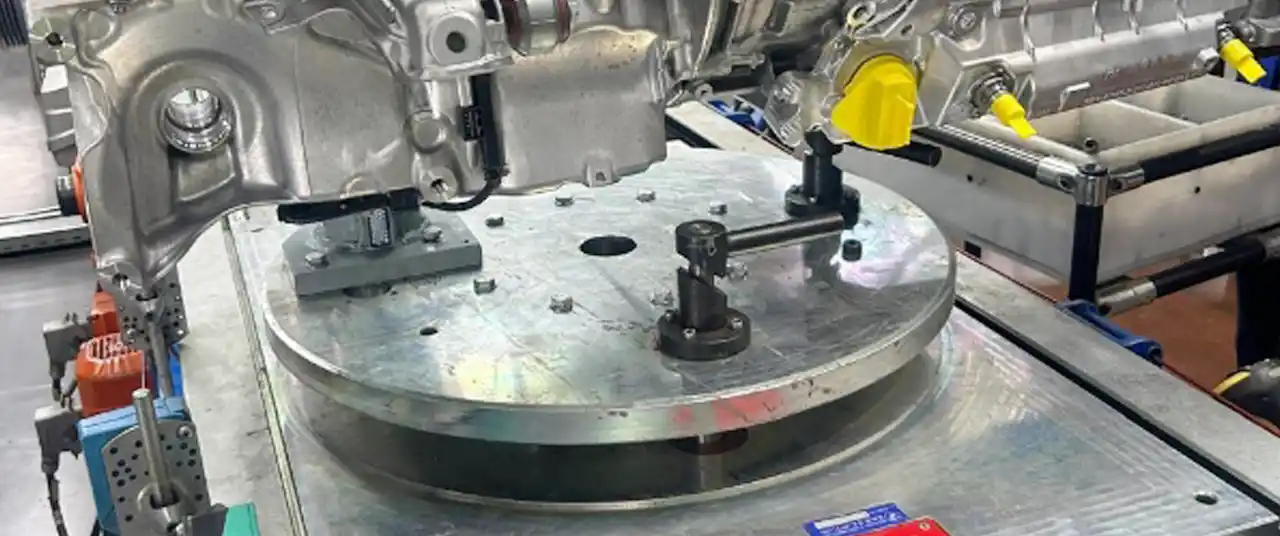
Slewing bearings are large bearings designed to support axial, radial, and moment loads simultaneously. Unlike traditional bearings, which are designed for high-speed use, slewing bearings are specifically built to handle slow-moving, heavy rotational forces. They consist of an inner and outer race, rolling elements (balls or rollers), and sometimes gears to assist with movement.
Applications in Heavy Machinery
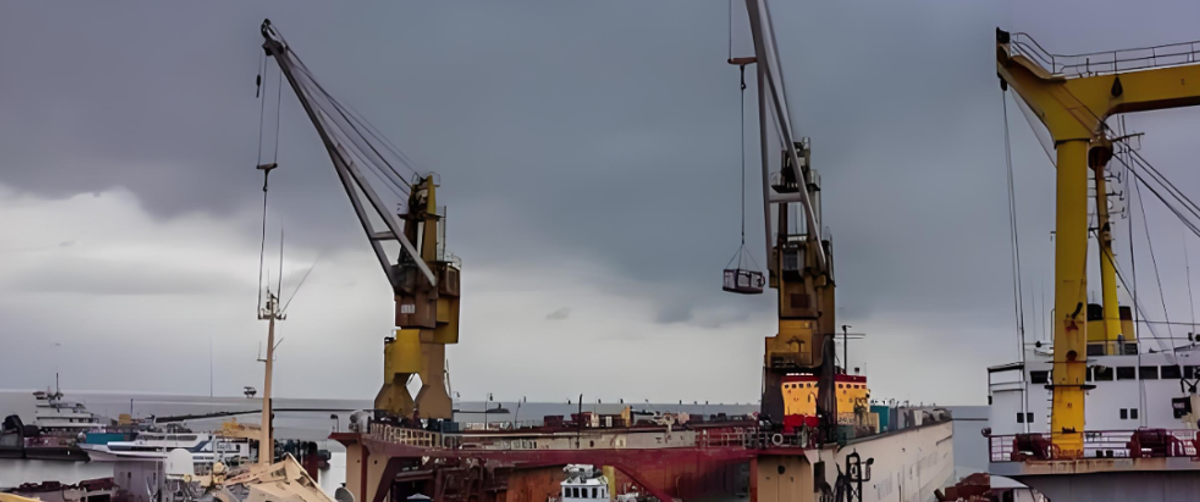
Slewing bearings are essential in machines requiring rotation. For example, in tower cranes, the upper part of the crane rotates to move loads. Slewing bearings allow smooth rotation while bearing the load’s weight, ensuring efficient operation. In excavators, the cabin and arm rotate to reach different digging positions, with slewing bearings supporting the rotation.
Wind turbines also rely on slewing bearings to rotate and align with the wind, optimizing energy production.
Advantages of Slewing Bearings
High Load Capacity: Slewing bearings can carry heavy axial, radial, and moment loads simultaneously.
Durability: Made from high-strength materials like alloy steel, they can withstand harsh conditions.
Smooth Operation: These bearings enable smooth and precise rotation, critical for heavy machinery.
Conclusion
Slewing bearings are essential in heavy machinery, allowing for efficient rotation and load-bearing. Proper maintenance and installation ensure their longevity, making them indispensable in cranes, excavators, and wind turbines.