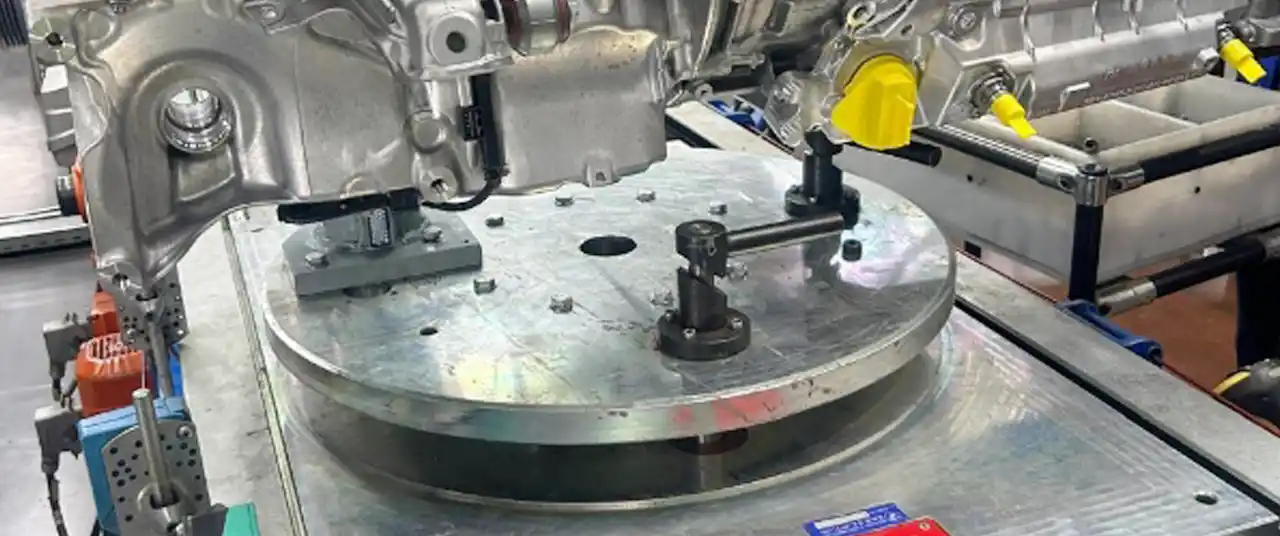

The slew rate of a drive refers to the maximum rate of change of the output rotational speed or angular position over time. In other words, it defines how quickly the drive can change its speed or move from one position to another. This parameter is particularly important in applications requiring precise and rapid movements, such as robotics or automation systems.
Key Aspects of Slew Rate:
- Speed of Response: The slew rate indicates how fast the drive can respond to changes in the input signal, such as acceleration or deceleration commands.
- Measured in Degrees per Second (°/s): The slew rate is often expressed in degrees per second for rotational drives, describing how many degrees the drive can rotate per second when undergoing a change in speed.
- Dependent on Motor and Drive System: The slew rate is influenced by factors such as the type of motor, the drive’s control system, and the gear ratio. Higher-powered motors and more responsive control systems can achieve faster slew rates.
- Importance in High-Precision Applications: A high slew rate is crucial in applications that demand quick and precise positioning, such as in radar systems, CNC machines, or satellite positioning systems.
For example, in a slew drive used in solar tracking systems, a moderate slew rate is typically sufficient to follow the sun’s slow movement across the sky. In contrast, a high slew rate would be necessary for rapidly reorienting a crane or robotic arm in an industrial setting.