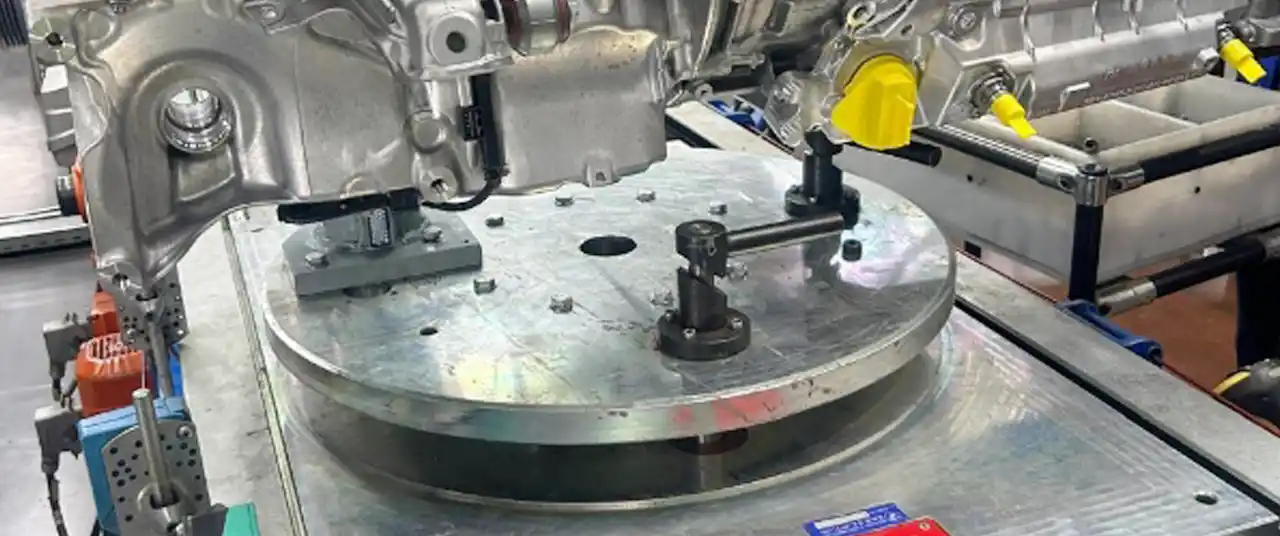

The efficiency of a spur gear drive is generally quite high compared to other types of gear drives, such as worm gears. Spur gears typically have efficiencies ranging from 94% to 98%, depending on factors such as the quality of the gears, lubrication, and the load conditions.
| Model | Output Torque | Tilting Moment Torque | Holding Torque | Gear Ratio | Tracking Precision | Weight | Drawing |
|---|---|---|---|---|---|---|---|
| WE9 | 8 KN.m | 35.6 KN.m | 34.5 KN.m | 62:1 | ≤0.15° | 48.5kg |  |
| WE9 | 5904 lbf.ft | 26.3×10³ lbf.ft | 25.5×10³ lbf.ft | 62:1 | ≤0.15° | 48.5kg | |
Factors Affecting Spur Gear Efficiency:
- Gear Quality and Manufacturing Precision: High-quality spur gears with precise machining and smooth surfaces experience less friction, leading to higher efficiency.
- Lubrication: Proper lubrication reduces friction between the gear teeth, which helps maintain high efficiency. Insufficient or improper lubrication can significantly reduce efficiency.
- Load Conditions: Spur gears tend to maintain high efficiency across a range of loads, but extremely high loads can increase friction, slightly lowering efficiency.
- Speed of Operation: Higher speeds can sometimes cause increased frictional losses due to heat generation, but with proper design and materials, spur gears remain efficient at high speeds.
- Tooth Profile: The shape and design of the gear teeth also influence efficiency. Optimized tooth profiles minimize energy losses during meshing.
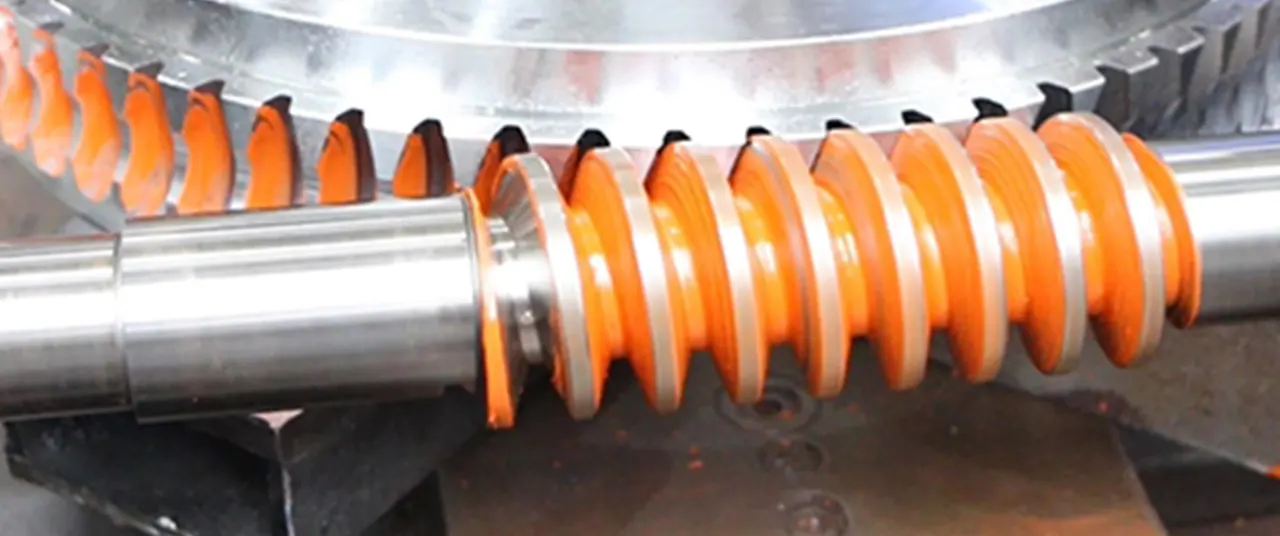
Comparison to Other Gears:
- Spur Gears (94% – 98%): High efficiency due to direct and parallel contact of gear teeth.
- Worm Gears (30% – 80%): Lower efficiency, especially at higher gear ratios, due to sliding contact between the worm and gear.
Spur gear drives are often chosen for applications where efficiency is a priority, such as in machinery, electric motors, and automotive systems.