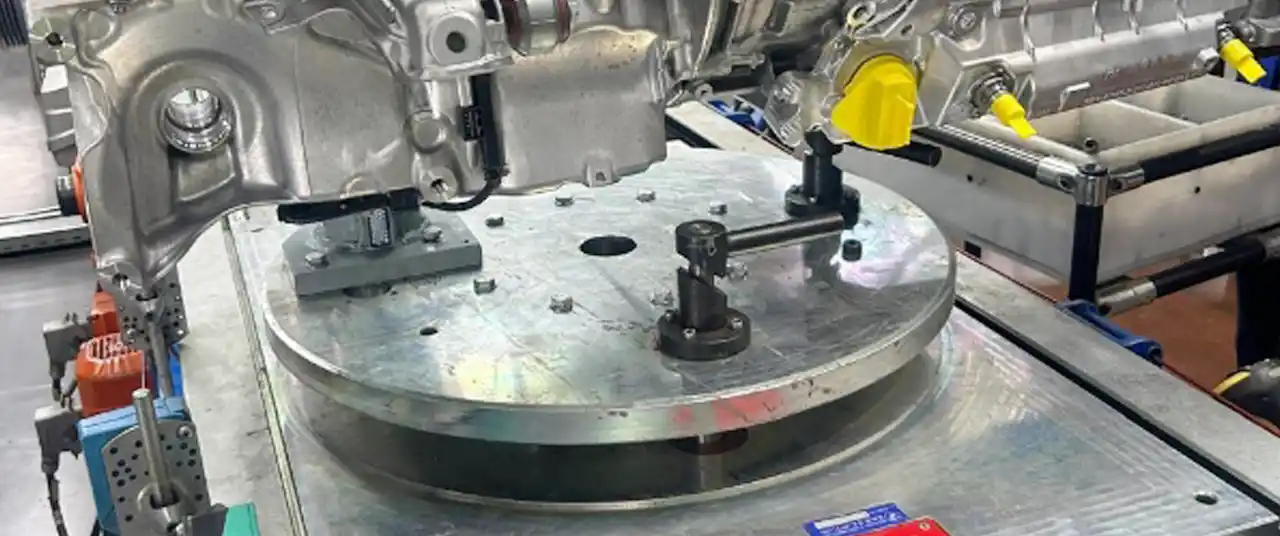

The efficiency of a slew drive can vary depending on several factors, including the design, materials used, lubrication, and the specific application. Generally, slew drives, especially those utilizing worm gears, tend to have lower efficiency compared to other types of gearing systems like spur gears or helical gears. Here are some key points regarding the efficiency of slew drives:
- Typical Efficiency Range: The efficiency of a worm gear-based slew drive typically ranges between 30% to 60%. This is due to the high amount of friction inherent in worm gear designs.
- High Efficiency Variants: Some slew drives use different gearing mechanisms, like helical or spur gears, which can achieve higher efficiencies, sometimes up to 90% or more.
- Lubrication: Proper lubrication is crucial for improving the efficiency of a slew drive. Inadequate lubrication can lead to increased friction and wear, reducing efficiency.
- Load Conditions: Efficiency can also be affected by the load conditions. Heavier loads can cause more friction and reduce the overall efficiency.
- Quality of Components: The materials and precision of the components used in the slew drive can also impact its efficiency. Higher-quality components generally lead to better performance and efficiency.
While slew drives offer the benefit of compactness and high torque capacity, the efficiency aspect needs to be carefully considered, especially for applications where energy efficiency is a critical factor.