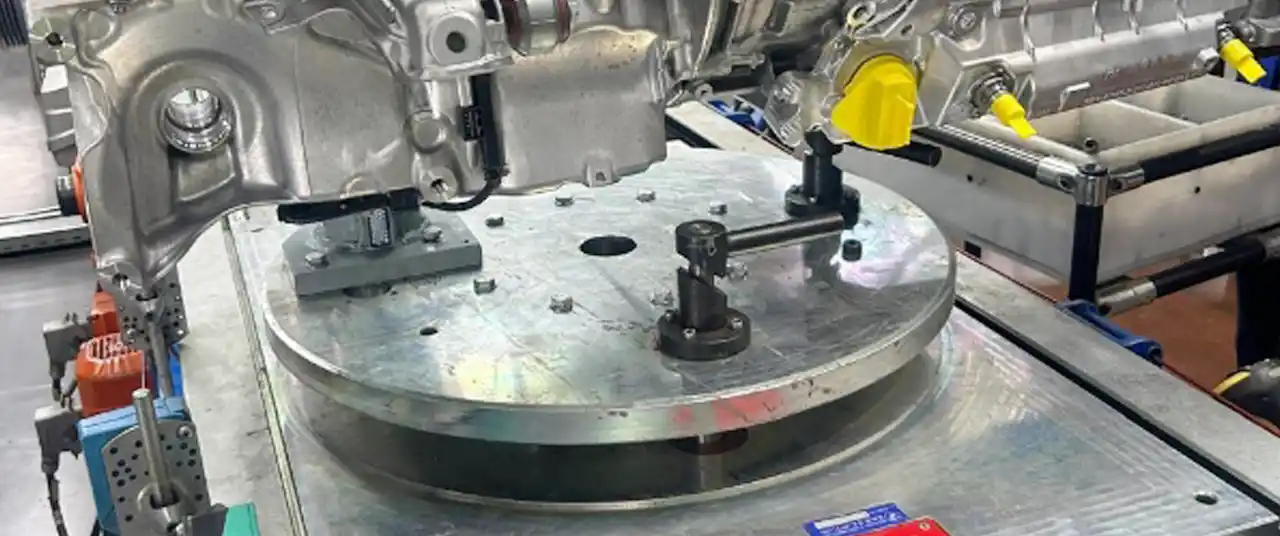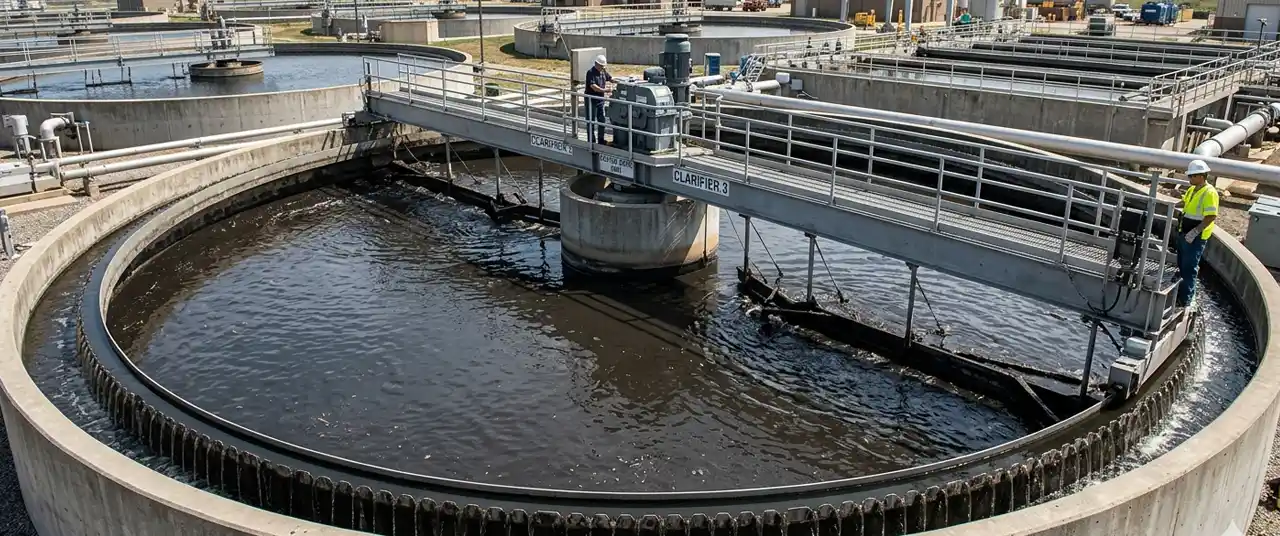

A slewing ring is a type of bearing used to support rotational or oscillatory movement in machinery and equipment. It allows for smooth rotation between two structural components. Slewing rings are commonly used in applications where heavy loads must be supported and rotated, such as:

Construction Machinery
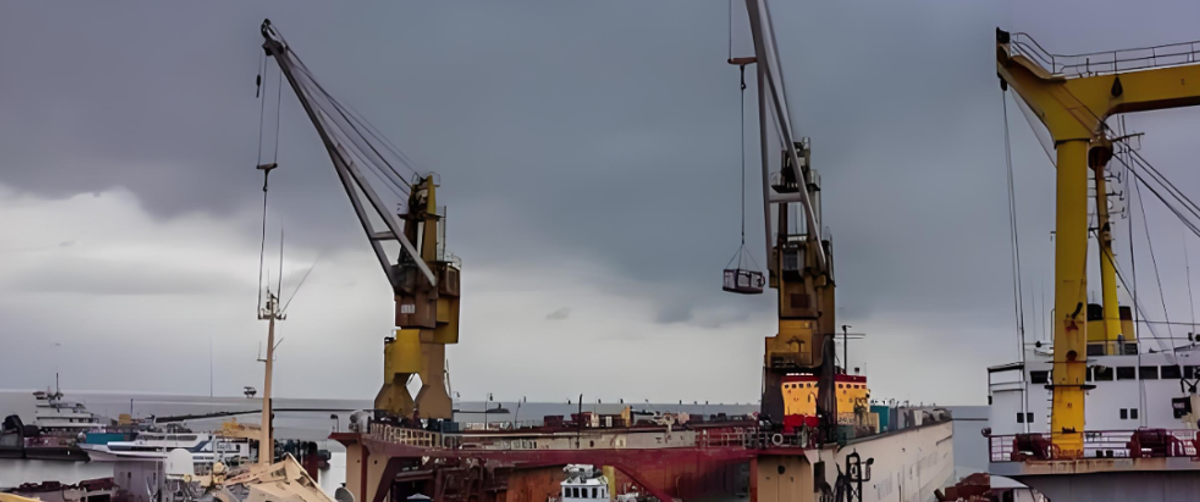
- Cranes: Slewing rings are essential for the rotation of the upper structure of cranes, enabling the crane to rotate horizontally while lifting heavy loads.
- Excavators: Used in the rotation mechanism of the cab and arm, allowing the machine to dig in different directions without repositioning.
- Tower Cranes: In tall construction, slewing rings facilitate the rotating platform, managing massive loads and ensuring stability.

Energy Sector
- Wind Turbines: Slewing rings are installed in wind turbines to control the yaw (horizontal rotation) and blade pitch (angle adjustment), optimizing energy generation by facing the wind.
- Solar Trackers: In solar power systems, slewing rings allow the panels to rotate, following the sun’s path for maximum efficiency.
Material Handling Equipment
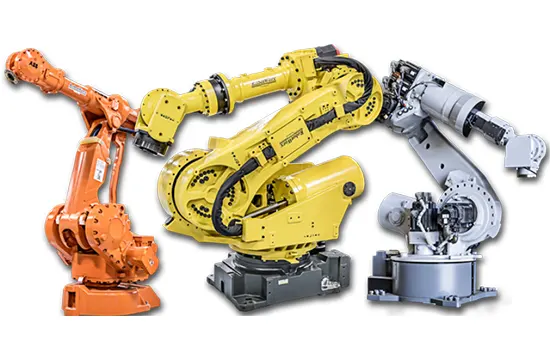
- Robotic Arms: In automated systems, slewing rings enable precise rotation and movement of robotic arms used in manufacturing and assembly lines.
- Turntables and Conveyors: In logistics and material handling, slewing rings support rotating platforms for loading, sorting, or moving goods in confined spaces.
Marine and Offshore Applications
- Offshore Platforms: Slewing rings are used in drilling rigs, allowing for the rotational movement of platforms and equipment.
- Ship Cranes: They provide rotation and lifting support for cranes on ships, used in cargo handling and marine construction.
These applications highlight the importance of slewing rings in providing reliable rotation, load-bearing, and precision movement across various heavy-duty and specialized industries.