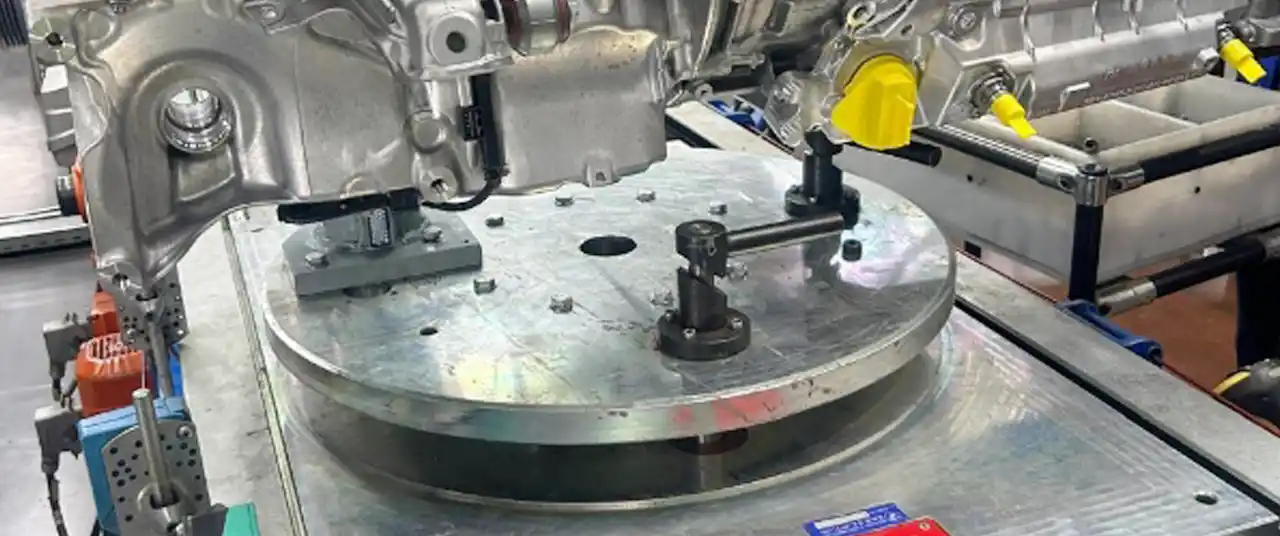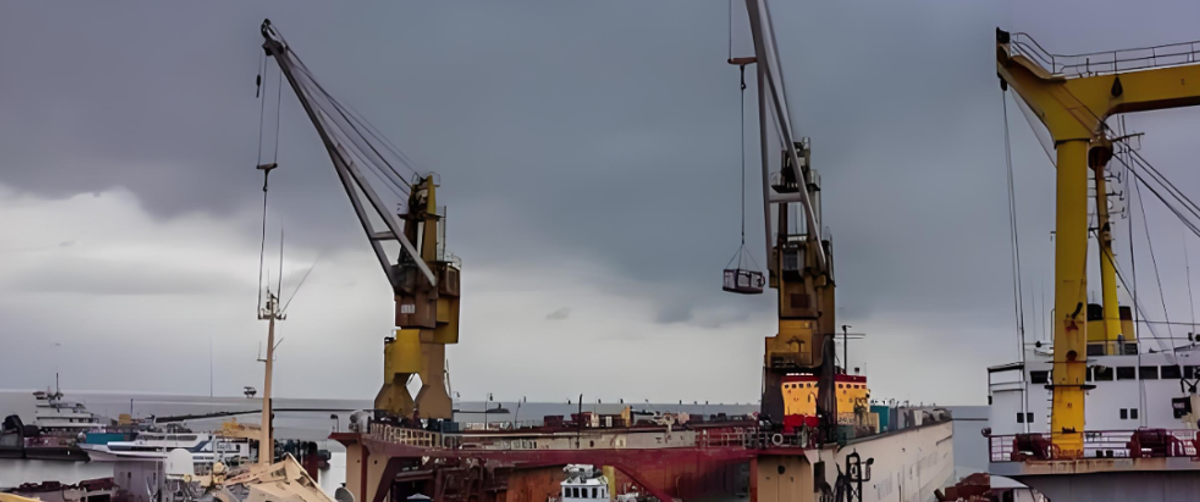

A slewing gear on a crane is a component that allows the crane to rotate horizontally around its vertical axis. This rotation is essential for positioning the crane’s load precisely and efficiently. The slewing gear enables the crane operator to swing the load in a circular motion, covering a wide area without having to reposition the entire crane.
Key features and functions of the slewing gear on a crane include:
- Vertical Axis Rotation: The slewing gear facilitates the rotation of the crane’s superstructure or upper part around a vertical axis. This enables the crane to change its orientation and reach different areas without the need for extensive movement of the crane’s chassis.
- Controlled Rotation: The slewing gear provides controlled and precise rotation, allowing the crane operator to position the load accurately. This is crucial for tasks such as lifting and placing heavy objects on construction sites or loading and unloading materials from ships.
- Torque Transmission: The slewing gear is designed to transmit the necessary torque from the crane’s power source (such as an electric or hydraulic motor) to the superstructure, enabling it to rotate smoothly.
- Support Structure: The slewing gear is often integrated into the crane’s structure, providing support and stability during rotation. Bearings or raceways within the slewing gear help manage the loads and forces involved in the slewing movement.
- Slewing Drive or Ring Gear: The slewing gear may include components such as a slewing drive or ring gear, which allows for the controlled and efficient transmission of rotational motion. This is especially important for heavy-duty cranes handling substantial loads.
In summary, the slewing gear on a crane is a critical mechanism that enables horizontal rotation around the vertical axis, providing the crane with the necessary flexibility to perform a wide range of lifting and positioning tasks on construction sites, industrial facilities, ports, and other locations.