
Hydraulic slewing drives are commonly used in heavy-duty applications where high torque and load-bearing capabilities are required. One of the main advantages of hydraulic slewing drives is their ability to generate high amounts of torque without the need for a large electric motor. This is due to the power density of hydraulic systems, which can provide greater torque in a smaller and more compact design compared to their electric counterparts.
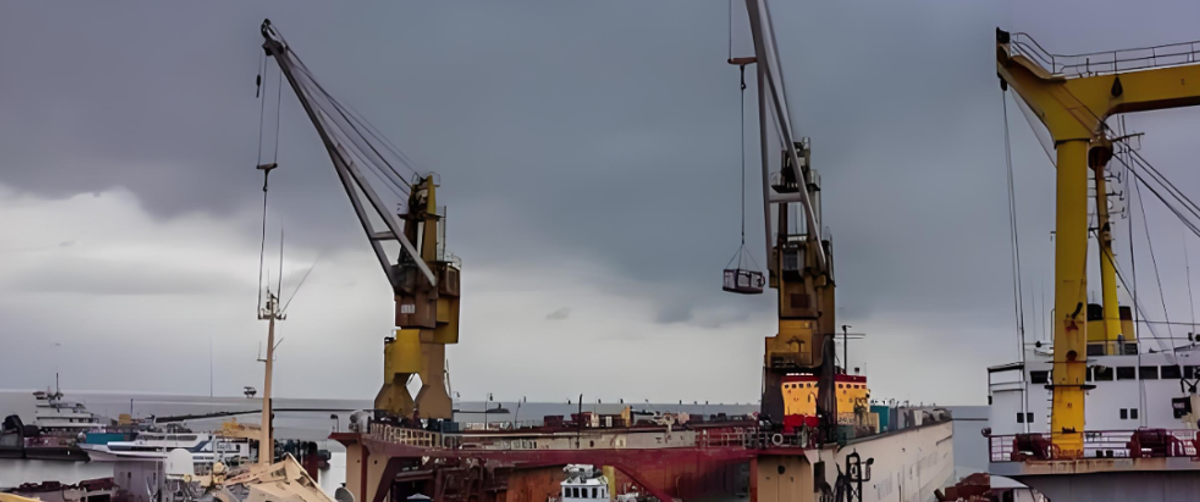
Another key benefit is the smoothness and precision of movement that hydraulic systems provide. The ability to control the speed and force of rotation with fine accuracy makes hydraulic slewing drives ideal for applications where consistent and controlled motion is critical, such as in cranes, excavators, and marine platforms.
Hydraulic slewing drives also tend to be more durable and robust in harsh environments. They are better able to withstand extreme temperatures, moisture, and corrosive environments, making them suitable for offshore, mining, and other rugged industries. Additionally, hydraulic systems are more forgiving of variations in load and can handle sudden load shifts better than electric drives.
However, hydraulic slewing drives do require a hydraulic fluid reservoir and regular maintenance to ensure the system remains free of contamination, and the fluid levels are properly maintained. Despite this, their long service life and high performance make them a popular choice in many industries.