
Slewing bearings and traditional bearings serve different purposes. Traditional bearings, like ball or roller bearings, are designed for high-speed, low-load applications. They work by reducing friction between two surfaces, allowing for smooth rotation in smaller, faster machines like motors and conveyors.
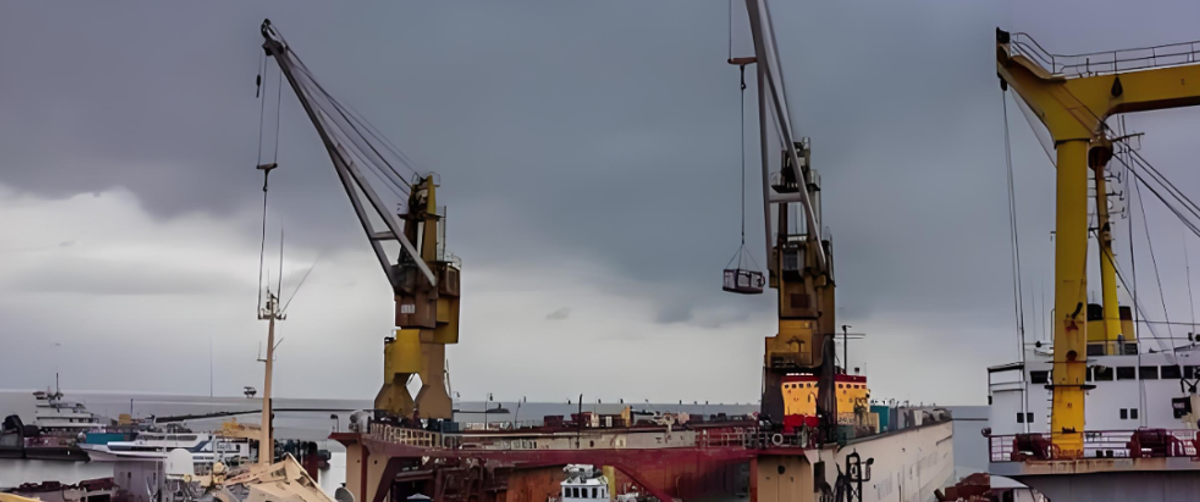
In contrast, slewing bearings are specifically designed to handle large, slow-moving loads. They are ideal for heavy machinery, such as cranes and excavators, where both rotational movement and heavy load-bearing capabilities are needed. Unlike traditional bearings, slewing bearings can carry axial, radial, and moment loads simultaneously.
The key difference lies in their design and function. Slewing bearings are larger, with integrated mounting holes for easy installation in heavy machinery, while traditional bearings are often smaller and used for lighter, faster operations. Additionally, slewing bearings are built to withstand harsh environments and extreme loads, making them essential for large-scale industrial applications.
In summary, slewing bearings are designed for heavy, low-speed machinery, while traditional bearings are suitable for smaller, high-speed applications. Their differences in design and function make slewing bearings indispensable for large machines like cranes and wind turbines.