
Introduction: Why Proper Installation Matters
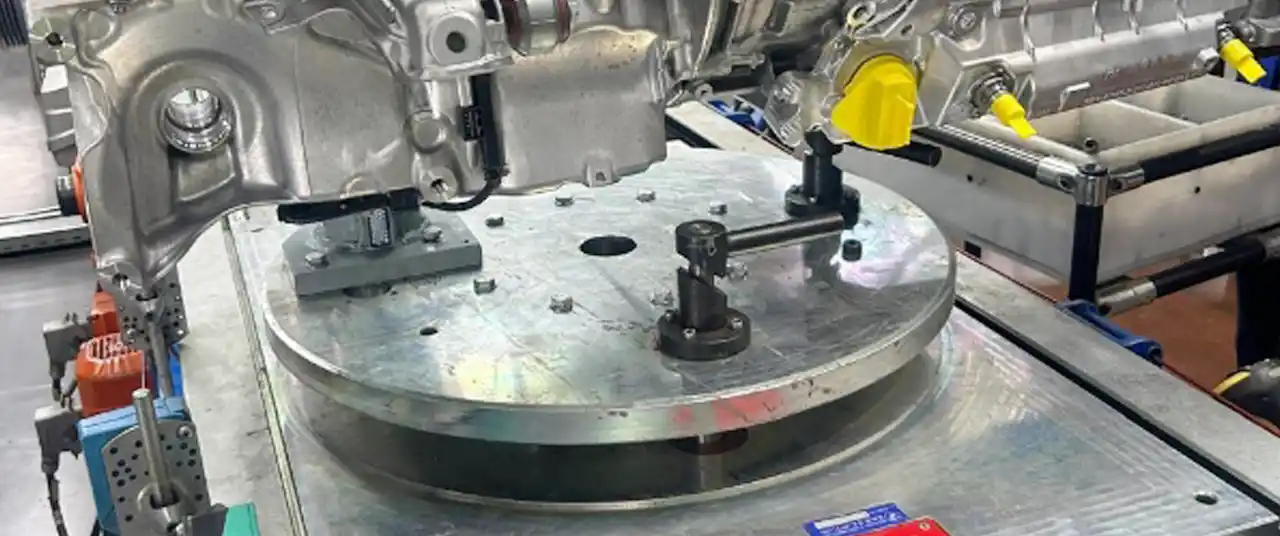
Slewing bearings, also known as slewing rings, are critical components in heavy machinery, cranes, wind turbines, and excavators. Proper installation is not only about fitting the bearing but also ensuring stability, precision, and long-term reliability. Incorrect installation can lead to premature wear, excessive noise, or even complete failure, which often results in costly downtime.
Step 1: Preparation Before Installation
Before you begin, it is essential to inspect both the bearing and the mounting structure. Ensure the mounting surface is clean, flat, and free of burrs or paint residues. Additionally, check that all bolts and washers meet the required quality standards. A smooth surface will help distribute loads evenly, reducing the risk of cracks or deformation.
Step 2: Aligning the Bearing Correctly
Alignment plays a key role in extending the service life of a slewing ring. During positioning, use lifting tools to avoid damage and rotate the bearing to ensure smooth movement. It is also advisable to align lubrication holes with easy-access points for future maintenance. Correct alignment helps prevent uneven stress distribution and enhances operational efficiency.
Step 3: Bolt Tightening and Torque Control
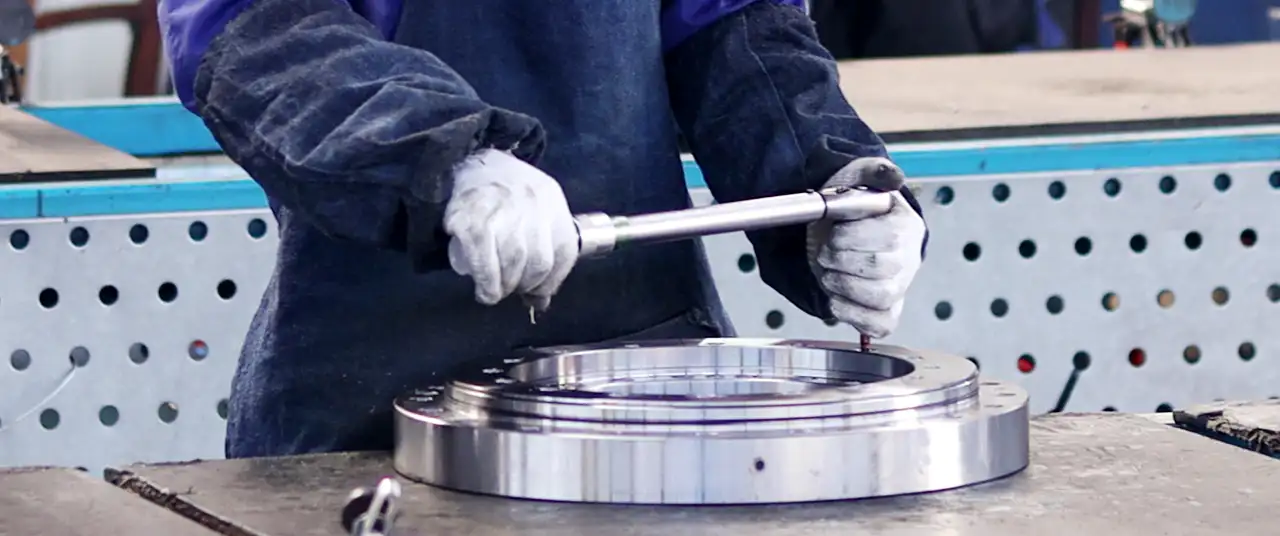
When fastening bolts, tighten them in a crisscross pattern to balance the pressure across the bearing. Always follow the manufacturer’s recommended torque values. Using a calibrated torque wrench or hydraulic tensioner ensures precision. Improper tightening can either loosen the connection or cause stress concentration, both of which reduce bearing performance.
Step 4: Lubrication and Initial Testing
Lubrication should be applied before the bearing is put into service. Use the recommended grease type, and avoid mixing different brands. After lubrication, rotate the slewing ring several times to distribute the grease evenly. Then conduct an initial test run at a low speed, listening for abnormal sounds and checking for vibration.
Step 5: Maintenance After Installation
Even after successful installation, regular maintenance is necessary. Establish a lubrication schedule, inspect bolt tightness, and check for wear or cracks. Early detection of abnormalities prevents major breakdowns and extends the working life of the slewing bearing.
Conclusion
Installing a slewing bearing correctly is a combination of preparation, precision, and discipline. By following the proper steps—inspection, alignment, torque control, lubrication, and maintenance—you can significantly increase reliability and reduce operational risks. Whether for industrial equipment, construction machinery, or renewable energy applications, professional installation ensures your slewing bearing delivers maximum performance.