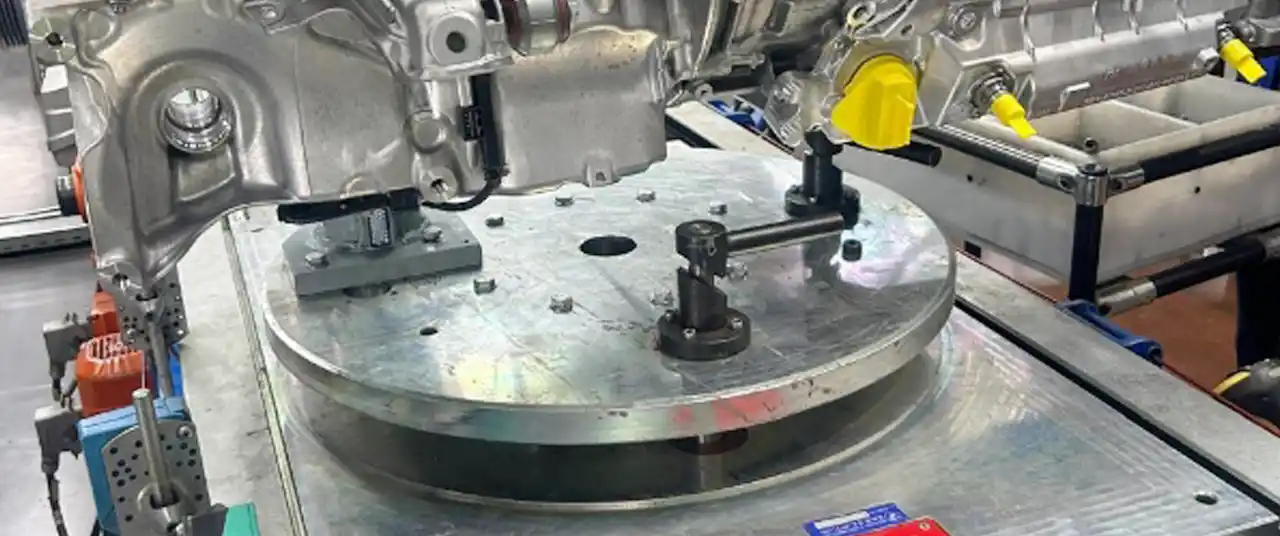

Proper installation of a slewing bearing is essential for ensuring smooth rotation, longevity, and safe operation. Incorrect installation can lead to misalignment, premature wear, and mechanical failure. This guide outlines the key steps to install a slewing bearing correctly and maximize its lifespan.
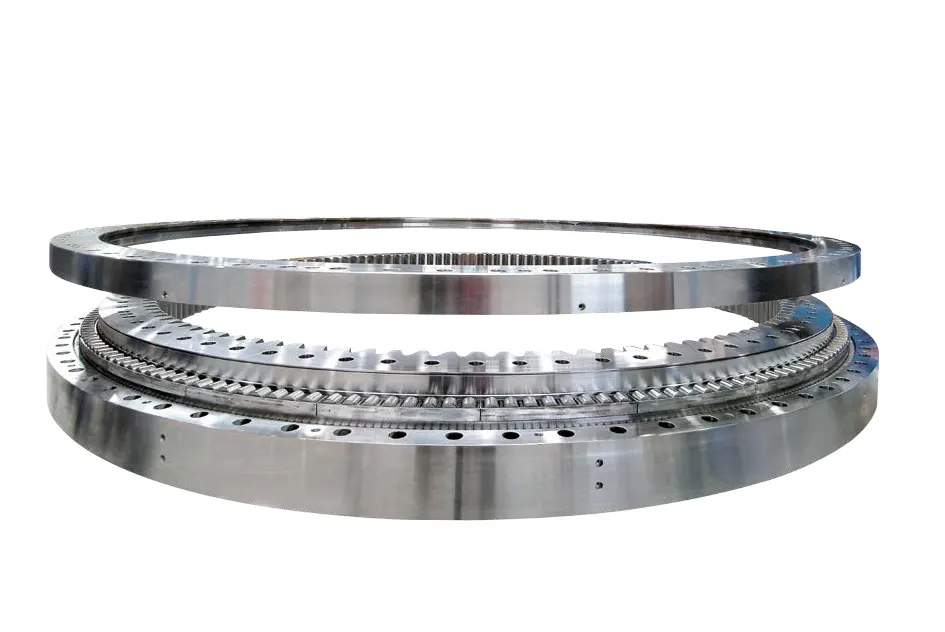
Step 1: Prepare the Mounting Surface
Before installation, ensure that the mounting surface is:
✔ Flat and Level – Irregularities can cause stress and premature wear.
✔ Clean and Debris-Free – Remove dirt, dust, or metal shavings that may affect performance.
✔ Accurately Drilled – The bolt holes must align perfectly with the slewing bearing.
Pro Tip: Use a precision tool to measure surface flatness. Any deviation should meet manufacturer specifications.
Step 2: Position the Slewing Bearing
- Use appropriate lifting equipment to carefully position the bearing.
- Align the bearing with the bolt holes on the mounting structure.
- If the bearing has gear teeth, ensure they are positioned correctly.
- Insert temporary bolts to hold the bearing in place.
- Warning: Do not fully tighten bolts yet.
Step 3: Secure the Bearing with Bolts
- Use high-strength bolts as recommended by the manufacturer.
- Tighten bolts in a cross-pattern sequence to distribute the load evenly.
- Apply the correct torque using a calibrated torque wrench.
- Use locking washers or adhesives to prevent bolts from loosening due to vibration.
- Pro Tip: Recheck bolt torque after 100 hours of operation to ensure stability.
Step 4: Lubricate for Optimal Performance
- Apply the recommended lubricant to rolling elements and gear teeth.
- Ensure seals are correctly positioned to prevent contamination.
- Check manufacturer guidelines for lubrication intervals.
Step 5: Test Before Full Operation
- Manually rotate the bearing to check for smooth movement.
- Perform a low-load test to identify any unusual noises or resistance.
- Inspect for signs of misalignment or excess friction.
Conclusion
Correct slewing bearing installation ensures efficiency, longevity, and safety in heavy machinery. Following these steps will help prevent premature wear, reduce maintenance costs, and maximize performance.
Would you like to learn about slewing bearing maintenance? Contact ZZ!