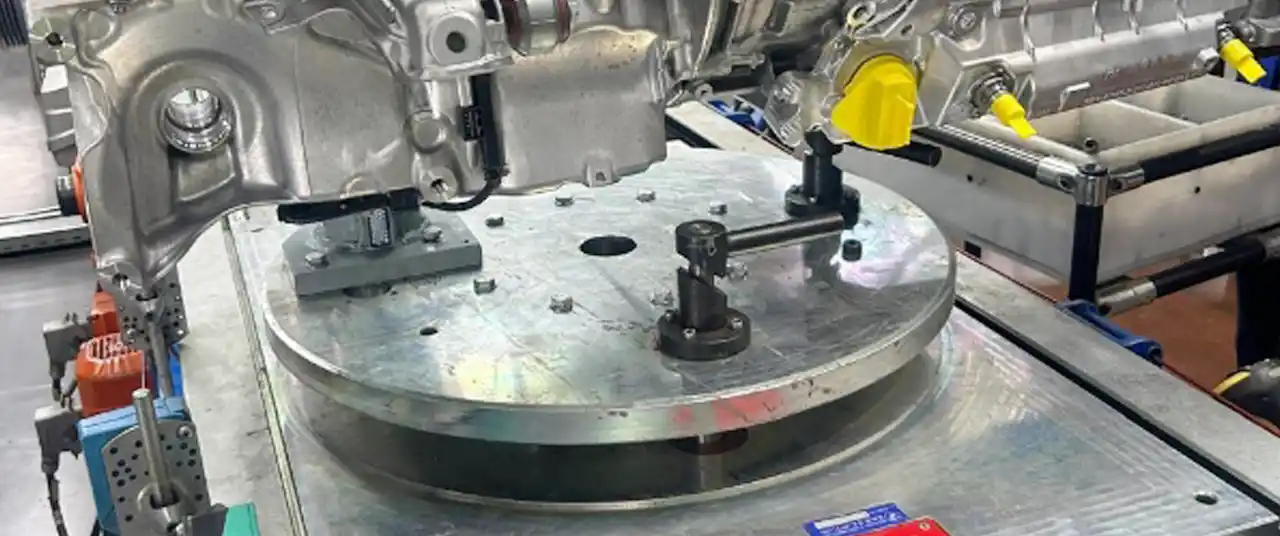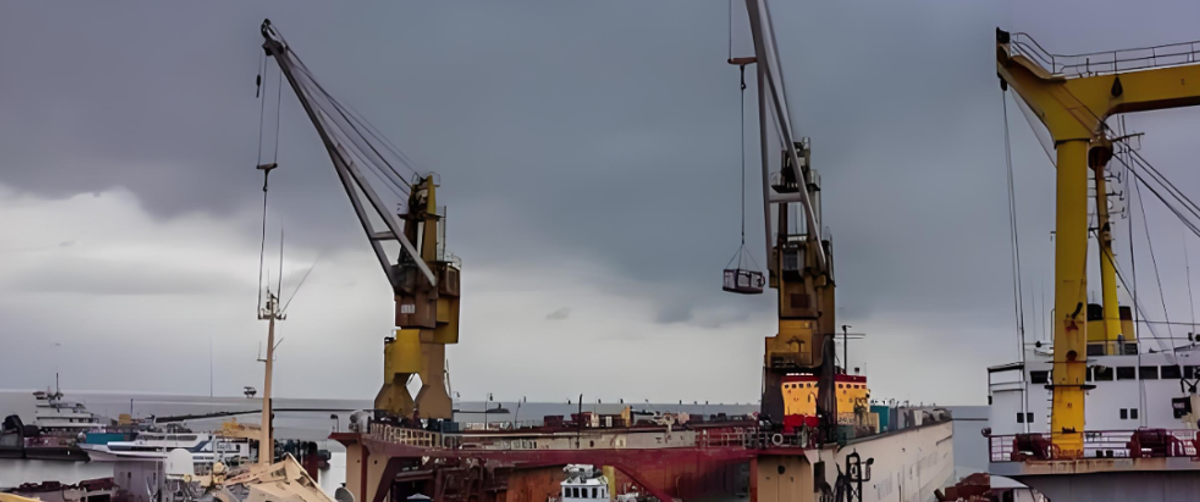

Selecting the correct slewing bearing is crucial to ensuring optimal performance, longevity, and efficiency. The decision-making process involves considering several key factors:
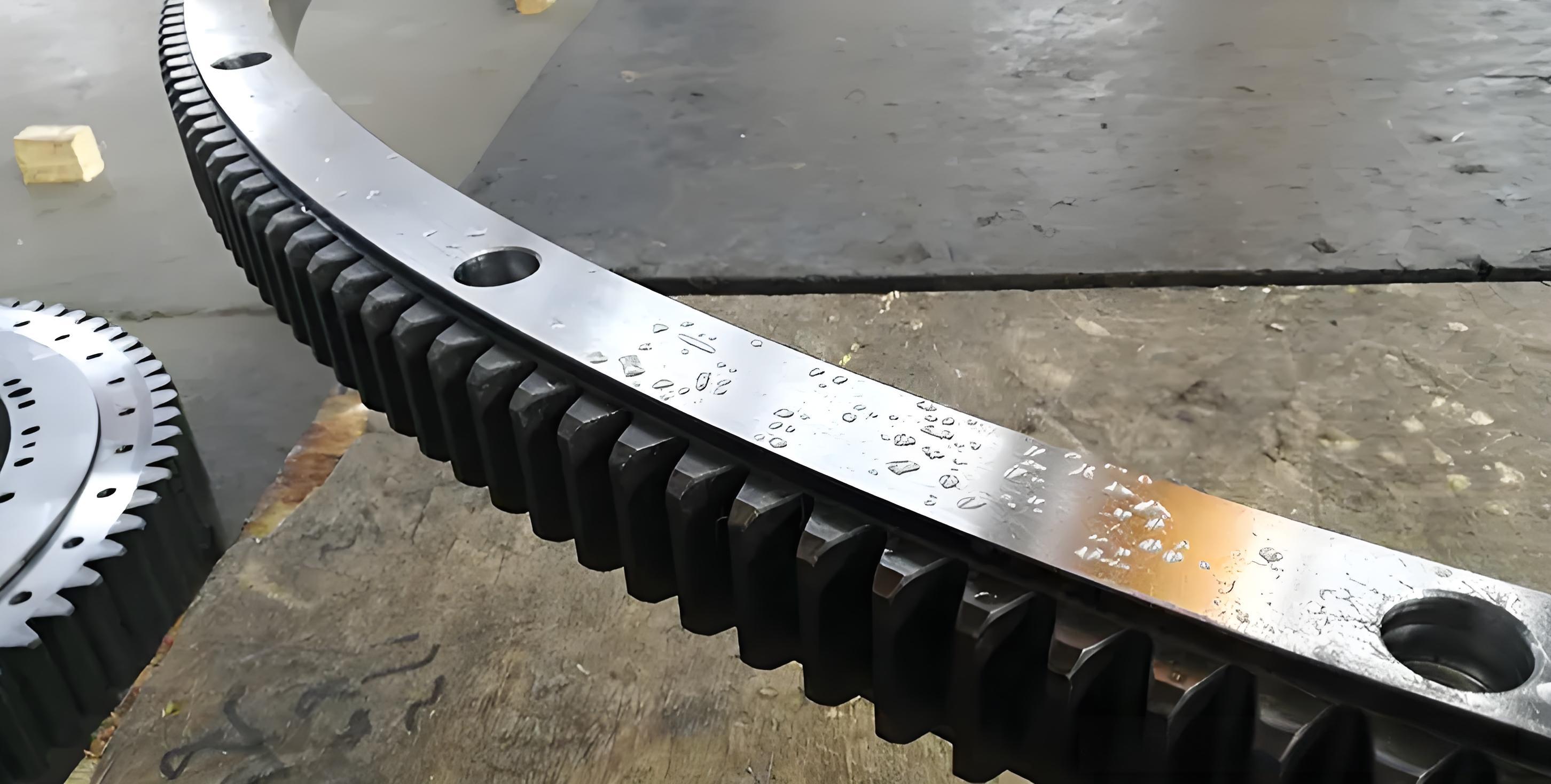
- Load Requirements: Slewing bearings handle three types of loads—axial, radial, and tilting moment. The type and magnitude of these forces will determine whether you need a single-row ball bearing, a cross-roller bearing, or a more robust three-row roller bearing.
- Rotation Speed: Some applications require slow and controlled rotation (e.g., cranes), while others need continuous high-speed movement (e.g., industrial turntables). Selecting the appropriate bearing design ensures smooth operation without excessive wear.
- Environmental Conditions: If the bearing is exposed to harsh conditions like extreme temperatures, high humidity, or corrosive substances, special coatings or sealed bearings may be necessary to enhance durability.
- Mounting and Space Constraints: Some applications have strict space limitations, requiring compact yet strong bearing solutions.
Understanding these factors and consulting with manufacturers or engineers can help you make an informed decision, ensuring reliability and cost-effectiveness in your machinery.