
Introduction
How does a slewing ring work? This question is key to understanding how modern machinery performs precise and stable rotations. A slewing ring is not just a bearing—it is a complete rotational system capable of supporting massive loads while allowing smooth movement.
Structure and Working Principle
A slewing ring consists of an inner ring, outer ring, rolling elements, and sealing system. The rolling elements—either balls or rollers—move between the raceways, reducing friction and ensuring smooth motion. In addition, integrated gear teeth allow the transfer of torque from motors or gears to the rotating structure.
Because of this unique design, a slewing ring can handle multiple load directions simultaneously. Axial loads act vertically, radial loads act horizontally, and overturning moments occur due to uneven weight distribution. By balancing all three, the bearing maintains stability and precision.
Applications in Engineering
Slewing rings are used in various industries, including:
- Construction cranes: enabling safe rotation of heavy loads.
- Excavators: connecting the upper and lower structures for continuous 360° movement.
- Wind turbines: adjusting nacelle and blade angles for maximum energy output.
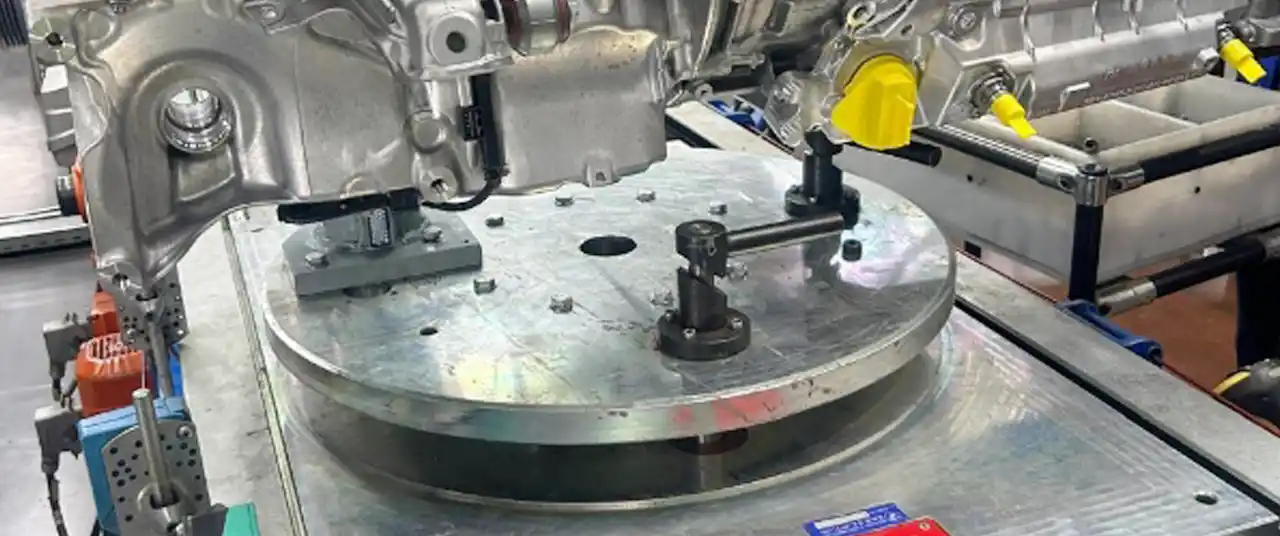
- Industrial turntables: providing stable, precise positioning during operations.
- Because of their adaptability, slewing rings serve as essential components in heavy machinery and renewable energy systems alike.
Advantages and Features
Compared with traditional bearings, slewing rings offer:
- Compact design that saves installation space.
- High load-bearing capacity for demanding environments.
- Smooth rotation with reduced vibration.
- Long lifespan through proper lubrication and maintenance.
Moreover, ZZ’s advanced heat treatment process enhances surface hardness and wear resistance, ensuring excellent reliability in all operating conditions.
ZZ Quality and Expertise
ZZ has decades of experience producing slewing rings that meet global standards. Our manufacturing process includes CNC machining, raceway hardening, and full inspection of rolling precision. We also provide custom design services for cranes, wind turbines, and mining equipment. Engineers choose ZZ bearings because they combine high performance, quick delivery, and consistent quality assurance.
Conclusion
Understanding how a slewing ring works reveals its importance in modern engineering. It not only supports heavy loads but also enables smooth and controlled rotation, ensuring efficiency and safety. Whether used in construction, energy, or automation, ZZ slewing rings deliver long-term performance and reliability.