
A hydraulic slew drive is a device used to rotate or pivot equipment, often used in construction machinery, wind turbines, and other heavy-duty applications. It uses hydraulic power to produce rotational movement. Here’s a breakdown of how it works:
Components
- Hydraulic Motor: Converts hydraulic energy into mechanical energy.
- Slew Bearing: Supports the axial and radial loads and facilitates smooth rotation.
- Planetary Gearbox: Increases the torque and reduces the speed of the hydraulic motor.
- Housing: Encases all the components and provides structural support.
- Hydraulic Pump: Supplies pressurized hydraulic fluid to the motor.
Working Principle
- Hydraulic Power Generation: The hydraulic pump generates pressurized hydraulic fluid.
- Motor Operation: The pressurized fluid is directed to the hydraulic motor, causing it to rotate.
- Gear Reduction: The motor’s rotation is transmitted through a planetary gearbox, which reduces the speed and increases the torque.
- Rotation: The output of the gearbox drives the slew bearing, which rotates the attached load or structure.
- Load Handling: The slew bearing supports the load, ensuring smooth and stable rotation even under heavy loads.
Applications
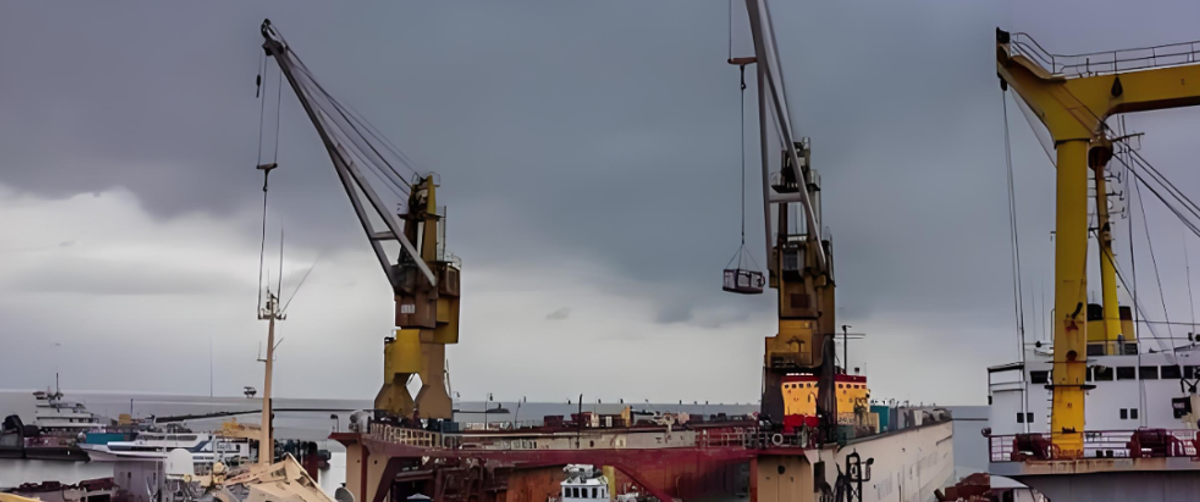
- Cranes: For rotating the crane’s upper structure.
- Excavators: For the rotation of the excavator’s house and boom.
- Wind Turbines: To orient the blades or nacelle for optimal wind capture.
- Solar Trackers: To adjust the angle of solar panels for maximum sun exposure.
Advantages
- High Torque: Provides significant rotational force.
- Precision: Allows for accurate positioning and rotation control.
- Durability: Built to withstand heavy loads and harsh operating conditions.
- Versatility: Can be used in a wide range of applications.
Hydraulic slew drives are crucial in many industries for their ability to provide controlled, powerful rotational movement.