
Selecting the right slewing drive depends on several factors, including the application, the load requirements, environmental conditions, and the available power source. Here’s a breakdown of the key considerations:
- Load Capacity: First and foremost, consider the load that the slewing drive will need to handle. This includes both the weight of the object being rotated and any additional forces acting on the system. For heavy-duty applications like cranes or excavators, you will need a slewing drive with a higher load-bearing capacity and torque output.
- Torque Requirements: Depending on the application, the amount of torque required to rotate the load can vary significantly. For high-torque applications, such as wind turbines and cranes, you will need a slewing drive that can provide sufficient rotational force without excessive strain on the components.
- Speed and Precision: Consider the rotational speed and precision needed for your application. Slewing drives with a high reduction ratio offer more precise control but may result in slower rotation speeds. If you require quick, high-speed rotation, you may need a slewing drive with a lower reduction ratio.
- Power Source: Decide whether a hydraulic, electric, or manual slewing drive is most suitable. Hydraulic systems offer high torque but require a hydraulic fluid reservoir and maintenance. Electric drives are easier to control and maintain, making them ideal for applications that require high precision and less torque.
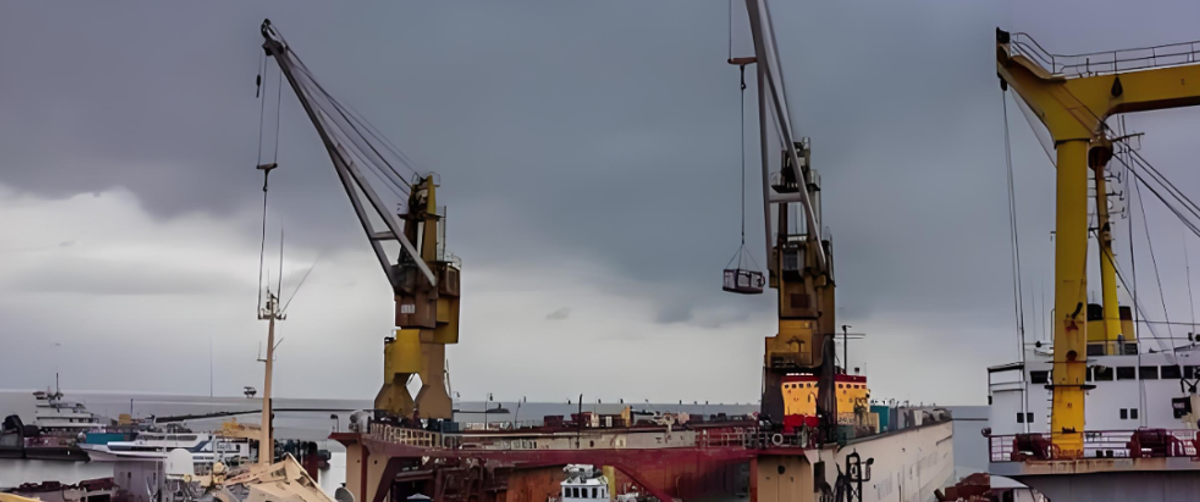
- Environment: Consider the environmental conditions the slewing drive will be exposed to. For example, offshore or marine applications require drives that are resistant to corrosion and harsh weather conditions. In contrast, for solar trackers or other outdoor systems, the slewing drive should be resistant to extreme temperatures and UV radiation.
- Customization: Depending on the complexity of the application, you may need a customized slewing drive to meet specific requirements. Customization could involve adjusting the gear ratio, adding special coatings, or designing specific mounting options.
By considering all these factors, you can select a slewing drive that will deliver optimal performance and longevity for your project.