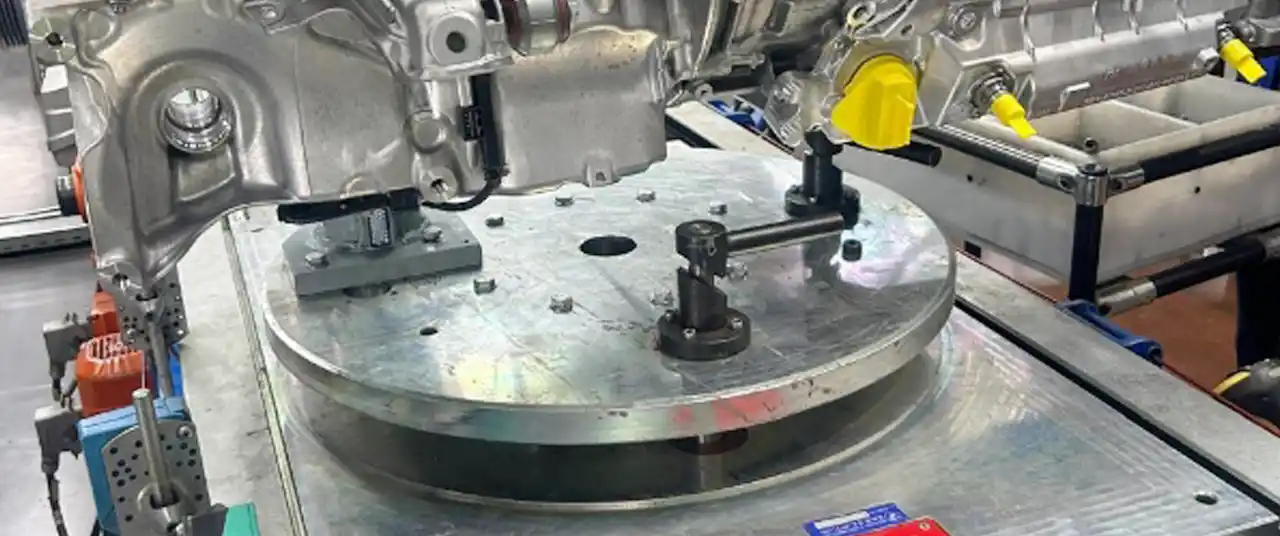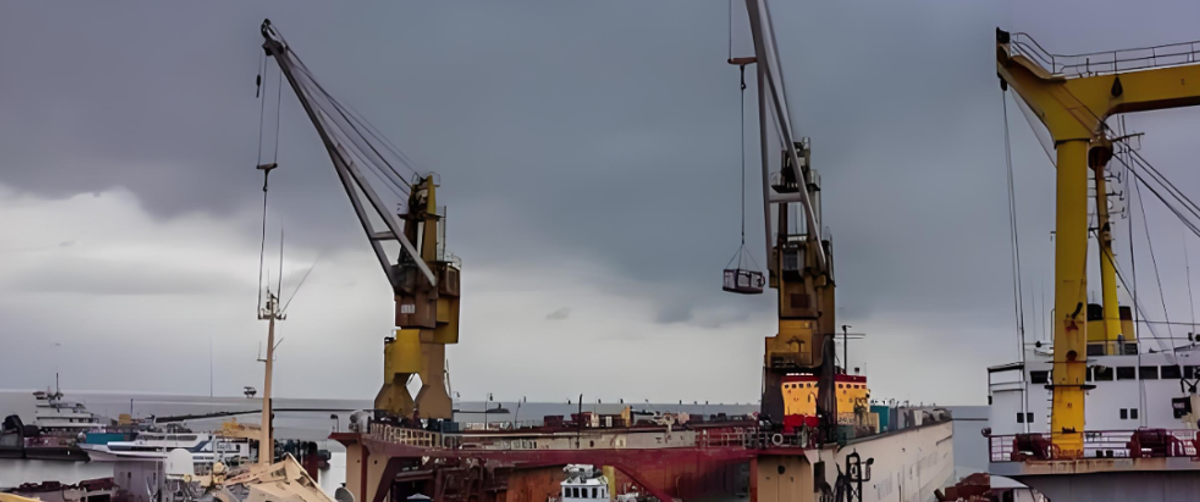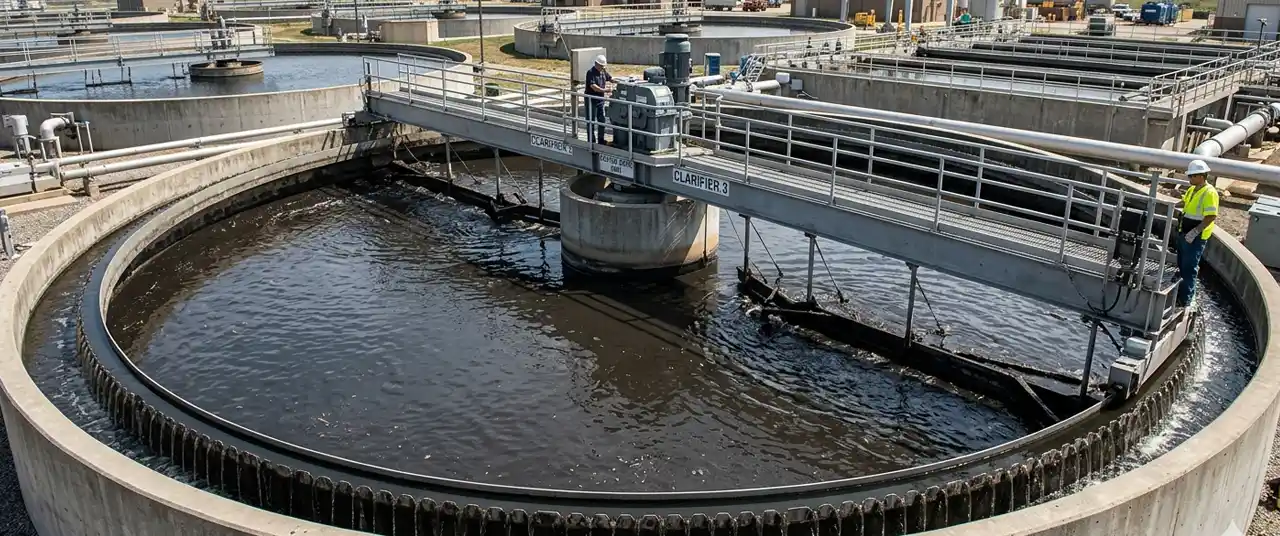

Slewing bearings are critical components in many industrial and heavy-duty applications, enabling smooth rotational movement while supporting axial, radial, and tilting moment loads. These bearings are commonly used in cranes, excavators, wind turbines, and industrial robots.
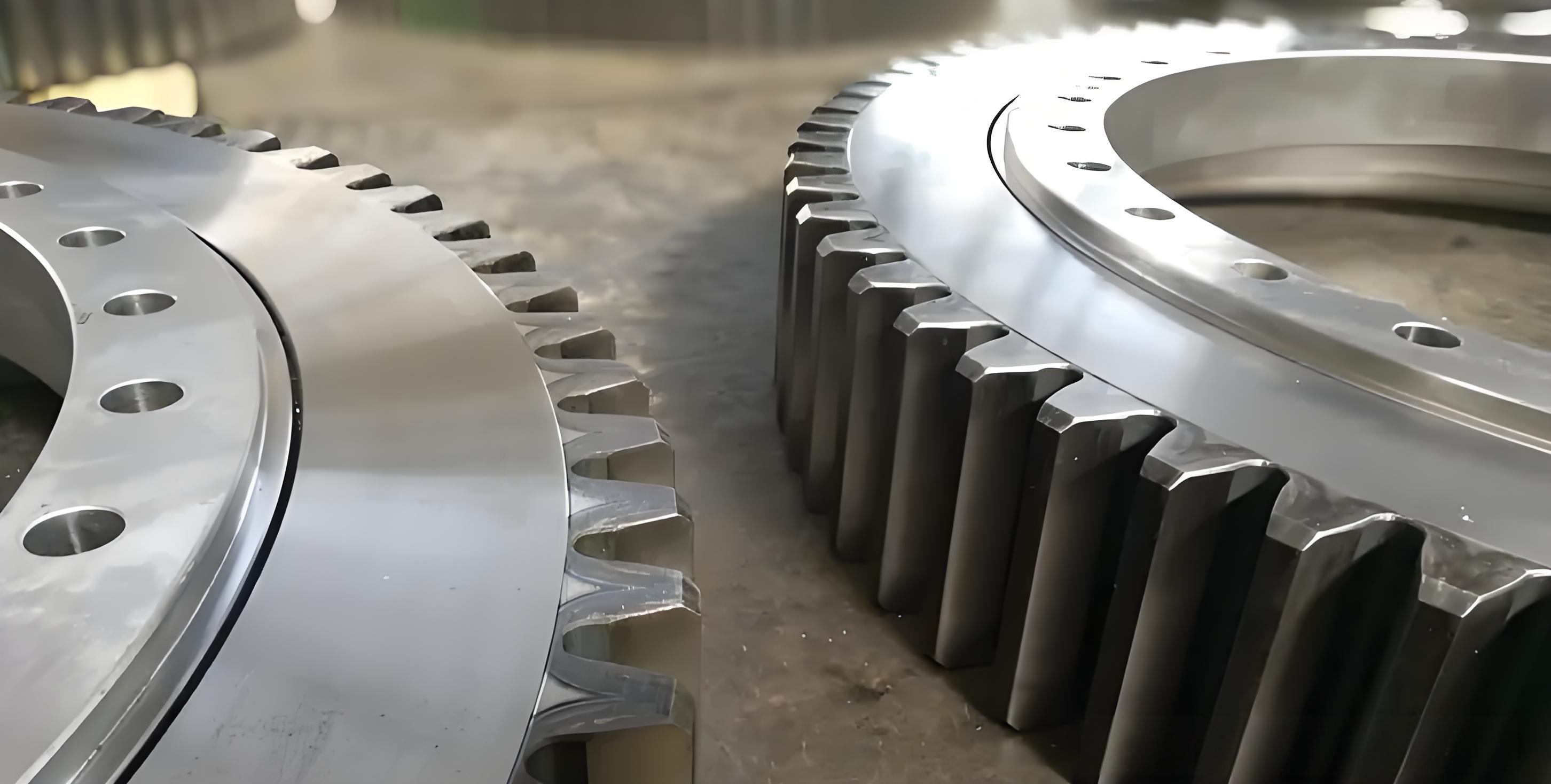
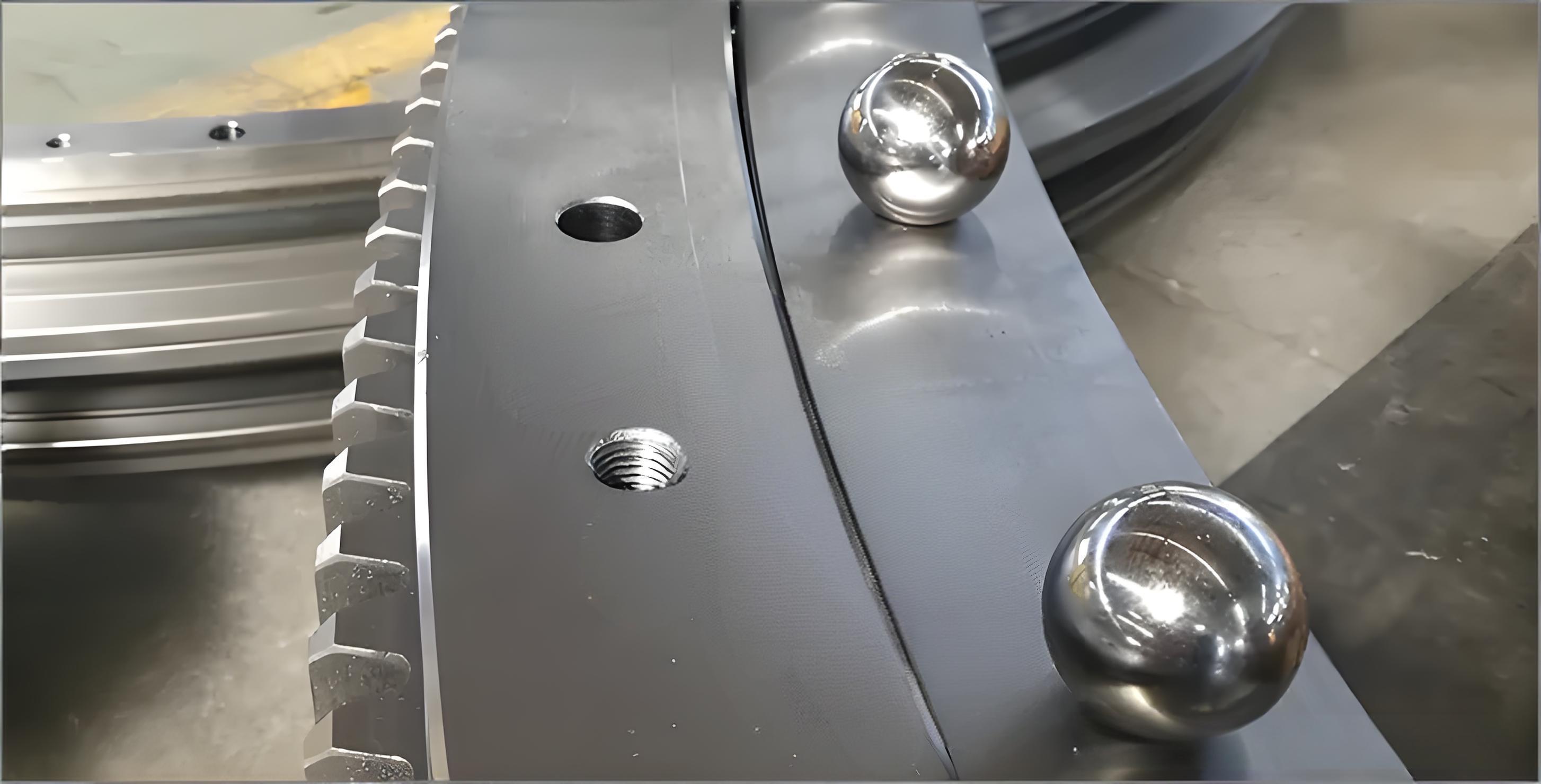
The structure of a slewing bearing consists of inner and outer rings with rolling elements (balls or rollers) positioned between them. Some designs include gear teeth on the inner or outer ring to facilitate movement with a drive mechanism. There are various types of slewing bearings, including single-row ball, double-row ball, cross-roller, and three-row roller bearings, each designed for specific load and performance requirements.
Choosing the right slewing bearing depends on factors such as load conditions, rotational speed, and environmental exposure. For instance, construction equipment requires heavy-duty bearings with high load capacity, while wind turbines demand durable bearings with minimal maintenance needs.
Regular maintenance, proper lubrication, and correct installation are essential for maximizing the lifespan of slewing bearings. Improper handling can lead to premature wear, misalignment, and failure, resulting in costly downtime. Understanding the fundamentals of slewing bearings helps businesses improve efficiency and reliability in their operations.