
A dual-axis slewing drive is a specialized mechanical system designed to provide rotational movement around two perpendicular axes. This allows for greater flexibility and versatility in applications where precise positioning is required. Here’s an overview of its key features and applications:
| Model | Output Torque | Tilting Moment Torque | Holding Torque | Gear Ratio | Tracking Precision | Weight | Drawing |
|---|---|---|---|---|---|---|---|
| WEA25-2 | 58 KN.m | 310 KN.m | 247 KN.m | 108:1 | ≤0.12° | 273kg |  |
| WEA25-2 | 42800 lbf.ft | 229×10³ lbf.ft | 182.3×10³ lbf.ft | 108:1 | ≤0.12° | 273kg | |
Key Features:
- Two-Axis Movement: Unlike standard slewing drives that typically operate on a single axis, dual-axis drives enable rotation around both horizontal and vertical axes. This allows for complex motion and positioning.
- Compact Design: Dual-axis slewing drives are often designed to be compact and lightweight, making them suitable for applications where space is limited.
- High Load Capacity: They can handle significant axial and radial loads, making them ideal for heavy-duty applications in various industries.
- Integrated Gear Mechanism: The drive usually incorporates a gear mechanism that provides smooth and precise control over rotational movement, enhancing accuracy in positioning.
- Durability: Built to withstand harsh environments, dual-axis slewing drives often feature protective coatings or seals to resist dust, moisture, and corrosion.
Applications:
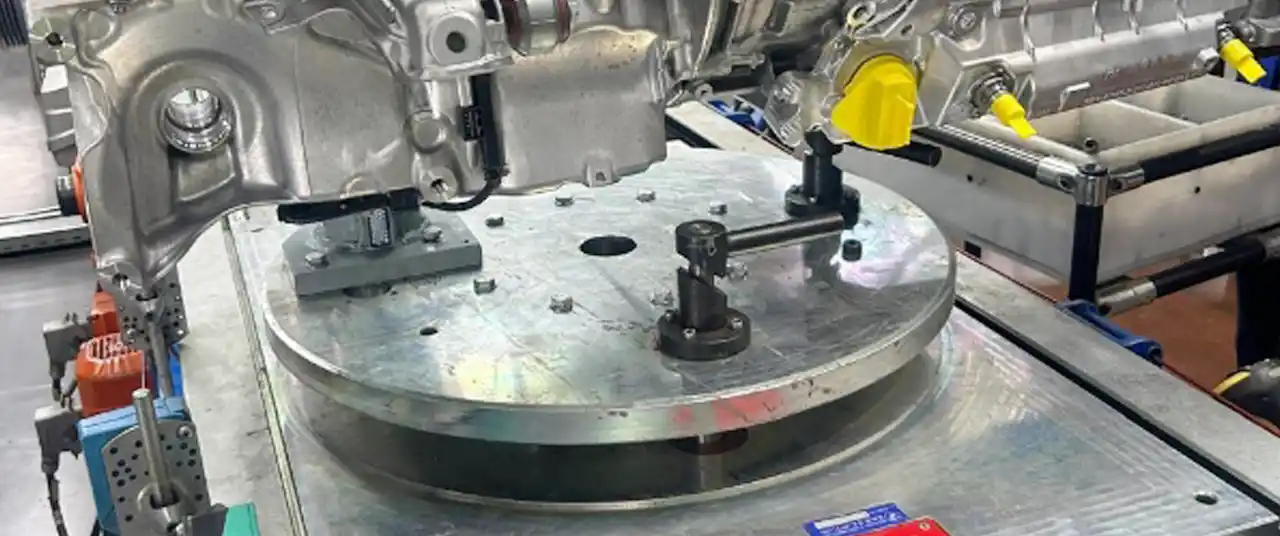
- Robotics: Used in robotic arms and automated systems where precise multi-axis movement is required for tasks like assembly or welding.
- Solar Tracking Systems: Employed in solar panels to allow for tracking the sun’s movement throughout the day, maximizing energy absorption.
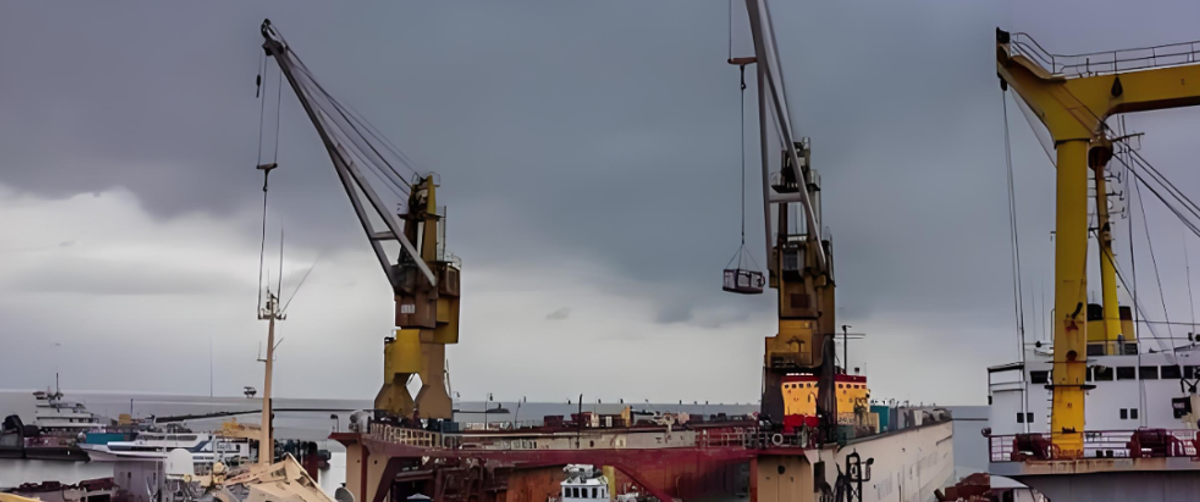
- Cranes and Heavy Machinery: Utilized in cranes for precise lifting and positioning of loads in various directions.
- Aerospace and Defense: Applied in radar systems and satellite antennas that require precise positioning to track targets or signals.
- Industrial Automation: Found in conveyor systems and assembly lines where multi-directional movement enhances efficiency.
Conclusion:
Dual-axis slewing drives are essential components in modern machinery and automation, providing the flexibility and precision needed for complex operations. Their ability to manage loads effectively while allowing for multi-directional movement makes them valuable in various industrial and technological applications.