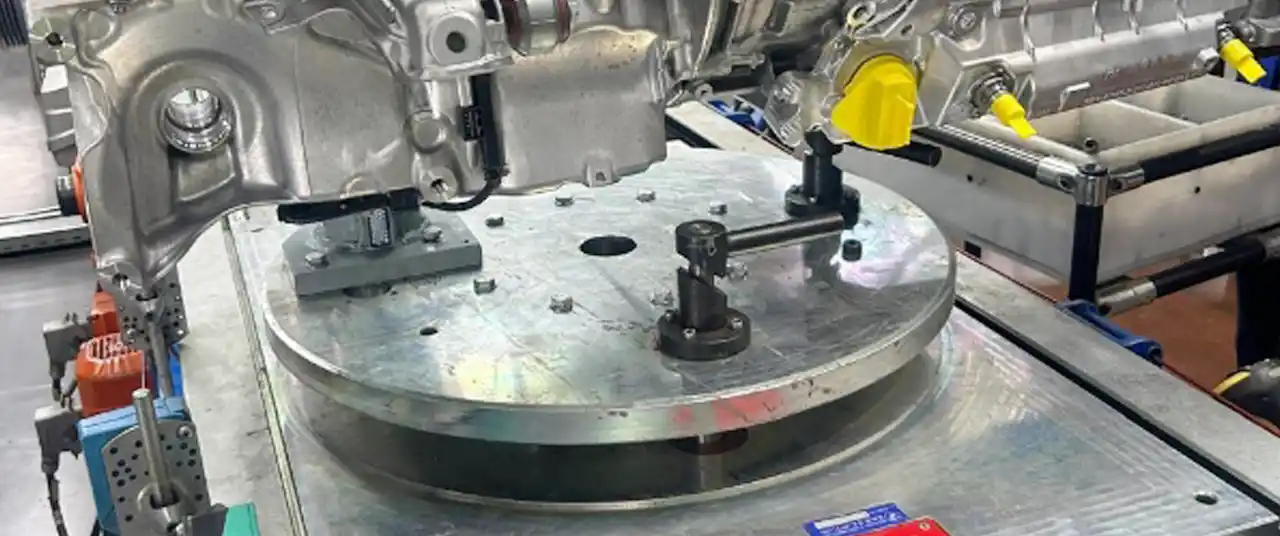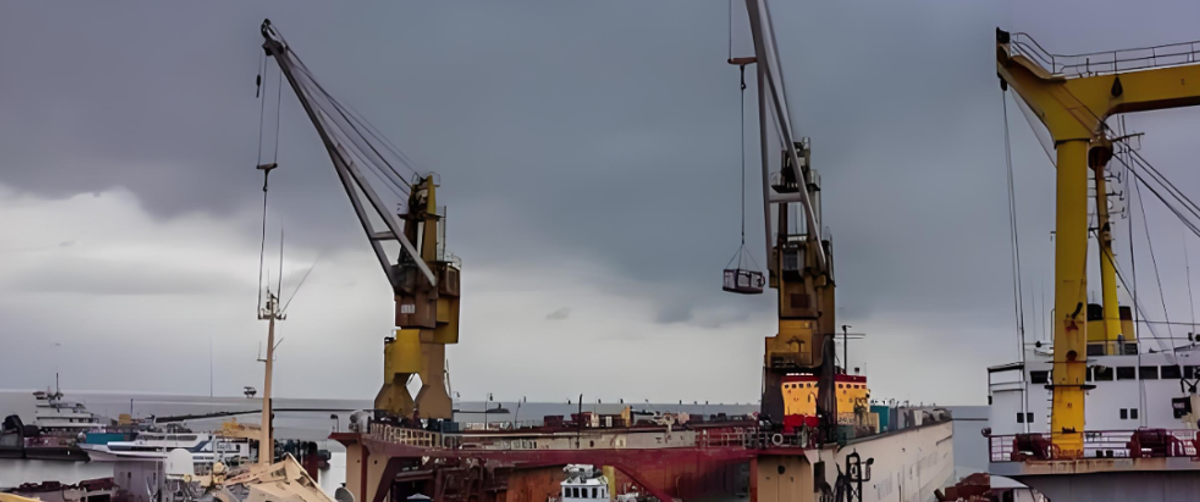

A crane slew bearing rocking test is a crucial procedure used to assess the wear and condition of slewing bearings in cranes, especially in heavy-duty applications. This test helps determine if the slewing bearing has developed excessive clearance (play) that could affect the crane’s operational safety and performance. It involves measuring the movement or “rocking” of the crane’s superstructure in relation to the chassis or lower structure while the bearing is under load.
Purpose of the Rocking Test:
- Wear Detection: Over time, the rolling elements and raceways inside the bearing can wear, leading to excessive play. The rocking test helps identify whether the wear exceeds safe operational limits.
- Safety: Since slewing bearings handle significant loads, any excessive play could lead to structural instability, particularly in cranes that lift heavy objects.
- Preventive Maintenance: By detecting wear early, operators can schedule maintenance or replacements before bearing failure, avoiding costly downtime or dangerous situations.
Rocking Test Procedure:
- Load the Crane: The crane is positioned with a known load, typically at the maximum allowable capacity or a set percentage of it, to apply pressure on the slewing bearing.
- Measurement Setup: A dial indicator or similar precision measuring device is mounted on a fixed point of the chassis or undercarriage, with its tip placed against the rotating superstructure of the crane.
- Rocking the Superstructure: The crane’s superstructure is moved back and forth (rocked) slowly to create movement in the slewing bearing.
- Measure Movement: The dial indicator measures the extent of vertical or lateral movement (clearance) as the crane rocks. This value indicates the level of wear in the bearing.
Compare with Manufacturer’s Specifications: The measured movement is compared against the manufacturer’s recommended allowable limits. If the clearance exceeds the limits, the bearing may need to be repaired or replaced.