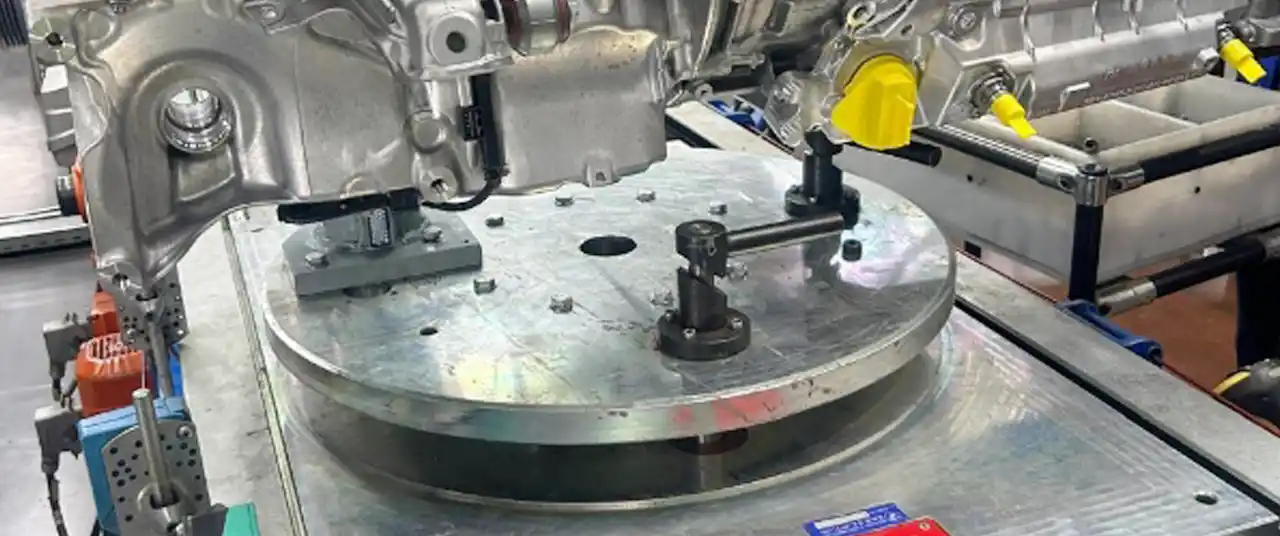

Slewing ring drives, also known as slewing drives or turntable drives, are essential components in various industries, offering precise and reliable rotational movement. When combined with a gearbox and electric motor, they become an even more powerful and efficient solution for applications such as construction machinery, cranes, robotics, and renewable energy systems.
In this blog post, we will explore the key features of slewing ring drives with gearboxes and electric motors, how they work, and their benefits. Whether you’re a mechanical engineer or a business owner looking to optimize your machinery, understanding this technology is crucial for improving performance and efficiency.
What is a Slewing Ring Drive?
A slewing ring drive is a mechanical system designed to enable smooth, controlled rotation of a load around an axis. It typically consists of a slewing ring, a gearbox, and an electric motor. The slewing ring itself is a large bearing with teeth around its circumference, allowing for continuous rotation without the need for additional support or track systems.
The gearbox is responsible for reducing the speed of the electric motor’s output, providing the necessary torque for the application. The electric motor drives the system, delivering power for the rotation. Together, these components create an efficient, compact, and reliable system for rotating heavy loads in various applications.
How Does a Slewing Ring Drive with Gearbox & Electric Motor Work?
-
Power Transmission: The electric motor converts electrical energy into mechanical energy, providing the rotational power needed for the slewing ring drive. The motor’s power is transmitted to the gearbox.
-
Torque Amplification: The gearbox reduces the speed of the motor while increasing the torque. This step is crucial for heavy-duty applications, as it enables the system to move large loads with precision.
-
Smooth Rotation: The slewing ring provides the structural support for the rotation. It ensures smooth, continuous movement without the risk of jerky motions or excessive wear. The teeth on the slewing ring mesh with the gearbox to achieve a consistent rotation.
-
Controlled Movement: Together, the slewing ring, gearbox, and motor enable fine control over the rotation speed, direction, and precision. This is particularly important for applications that require high accuracy, such as in cranes or solar tracking systems.
Key Benefits of Slewing Ring Drives with Gearbox & Electric Motor
-
High Efficiency: Slewing ring drives are highly efficient, as the combination of gearbox and motor ensures minimal energy loss during operation. This makes them ideal for industries that require long-lasting, energy-efficient solutions.
-
Compact Design: Unlike traditional rotary systems, slewing ring drives integrate multiple components into a single unit, reducing space requirements. This makes them suitable for applications with limited space or weight constraints.
-
Smooth & Precise Rotation: The integration of a gearbox allows for precise control over rotation speed and torque, ensuring smooth movement even under heavy loads. This is crucial in industries such as construction, wind energy, and material handling.
-
Durability & Longevity: Slewing ring drives are designed to withstand harsh conditions, including heavy loads, shock, and vibration. When maintained properly, these systems can last for years, making them a reliable choice for long-term projects.
-
Versatility: Slewing ring drives can be customized to suit a wide range of applications, from solar panels to heavy construction equipment. With adjustable gear ratios, different motor types, and various mounting options, these systems can be adapted to meet specific needs.
Applications of Slewing Ring Drives with Gearbox & Electric Motor
Slewing ring drives with gearboxes and electric motors are used in a wide array of applications, including:
-
Cranes & Excavators: For rotating the boom or platform of cranes and excavators.
-
Wind Turbines: Used in the yaw system to rotate the turbine’s nacelle, ensuring it faces the wind.
-
Solar Tracking Systems: To adjust the position of solar panels, maximizing energy absorption throughout the day.
-
Robotic Systems: Enabling precise and controlled movement for robotic arms or other automated machinery.
-
Medical Equipment: For rotating tables or devices used in imaging or diagnostics.
Choosing the Right Slewing Ring Drive for Your Needs
When selecting a slewing ring drive, consider factors such as:
-
Load Capacity: Ensure that the drive can handle the weight and size of the load you intend to rotate.
-
Speed & Torque Requirements: Choose a motor and gearbox combination that meets your specific speed and torque needs.
-
Environmental Conditions: Consider the operating environment (e.g., exposure to dust, moisture, or extreme temperatures) when selecting materials and protective coatings.
-
Maintenance: Choose a system that is easy to maintain and can withstand wear and tear over time.
Conclusion
Slewing ring drives with gearboxes and electric motors provide a robust, efficient, and versatile solution for various industrial applications. By combining the power of electric motors, precision of gearboxes, and smooth rotation of slewing rings, these systems ensure optimal performance, even under heavy-duty conditions. Whether you’re in construction, renewable energy, or robotics, investing in a high-quality slewing ring drive can significantly enhance the efficiency and reliability of your machinery.
For more information on slewing ring drives or to get a customized solution for your project, reach out to experts in the field today!